


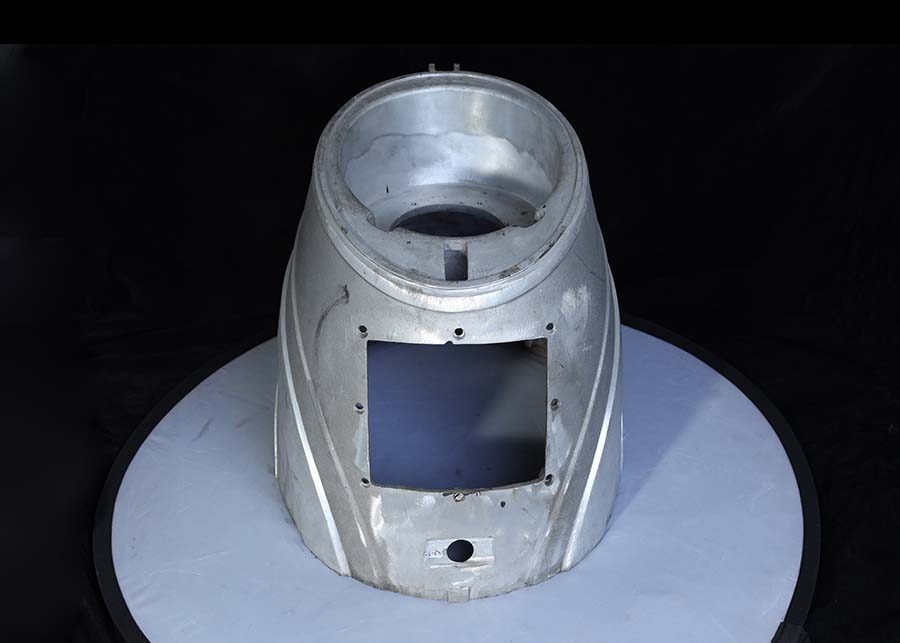

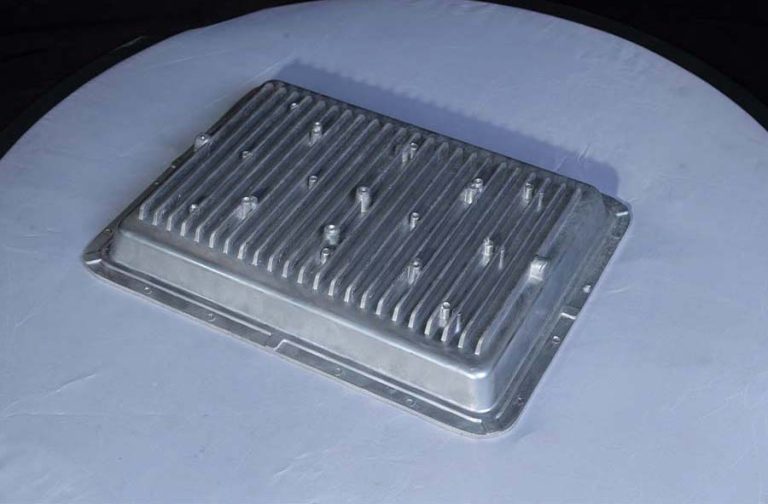


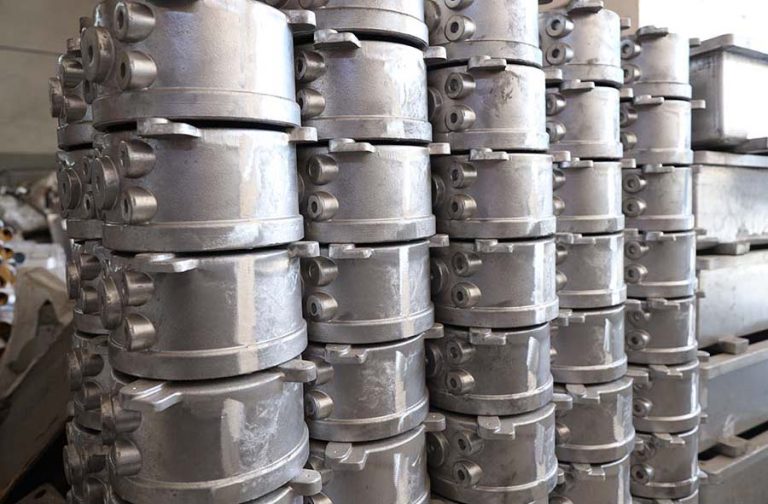

Aluminum die casting is one of the most widely used manufacturing processes for producing high-quality, precise, and durable metal components. From automotive and aerospace to electronics and consumer goods, aluminum die casting has become the backbone of modern engineering. Its ability to deliver complex shapes with excellent dimensional accuracy and smooth surface finish makes it the preferred choice for manufacturers worldwide.
Discover the 6 main steps of the aluminum die casting process – from mold preparation and melting to injection, cooling, ejection, and finishing. Learn how manufacturers create high-quality, precise, and durable aluminum components.
The die is cleaned and coated with a lubricant to control temperature and ensure smooth part ejection.
Aluminum ingots are melted in a furnace at around 660°C until they become molten.
The molten aluminum is injected into the die cavity under high pressure (up to 20,000 psi).
The molten aluminum quickly cools and solidifies into the desired shape inside the mold.
The die is opened, and ejector pins push the solid casting out of the mold.
Excess material (flash, runners, gates) is removed, and additional processes like machining, polishing, or coating may be applied.
Got questions? Ideas? Fill out the form below & our specialist will contact you.