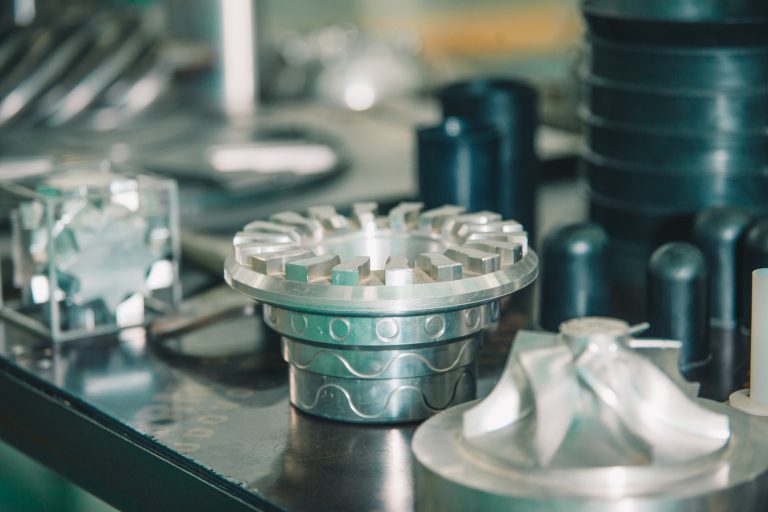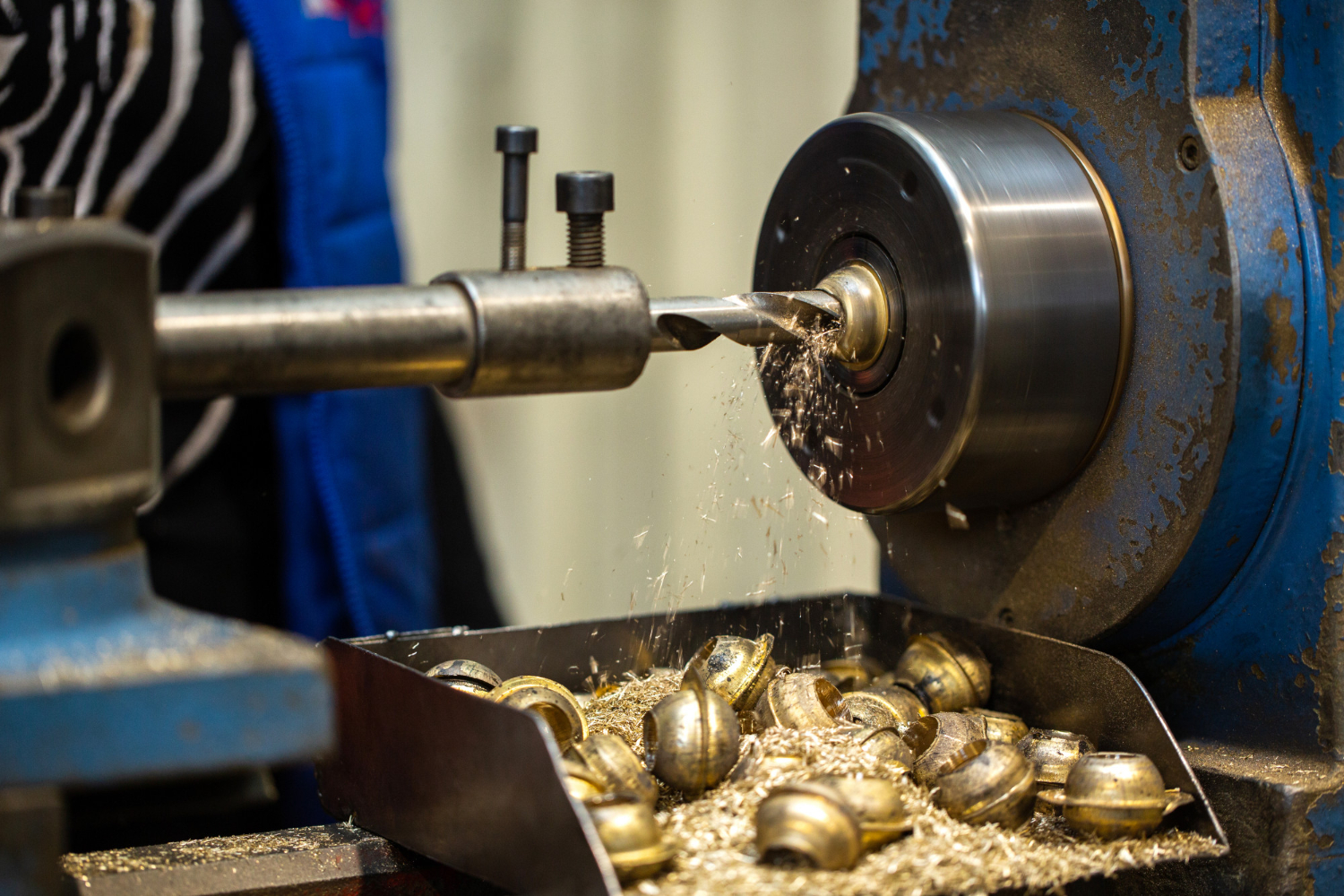
High Pressure Die Casting (HPDC) is one of the most efficient and widely used metal casting processes in the world. Known for its ability to produce complex, high-quality components with tight tolerances, this method has become a backbone of industries such as automotive, aerospace, electronics, and industrial machinery.
In this blog, we will explore the different types of high pressure die casting, the benefits it provides, the materials used, and the maintenance practices required to keep the process running smoothly.
What is High Pressure Die Casting?
High Pressure Die Casting is a manufacturing process where molten metal is injected into a steel mold (called a die) at extremely high pressure. The metal solidifies rapidly, creating a strong and precise component. This process is ideal for mass production because it ensures consistent quality, excellent surface finish, and high dimensional accuracy.
Unlike gravity casting methods, which rely on natural flow, HPDC forces the metal into every corner of the mold, making it suitable for intricate and complex designs.
Types of High Pressure Die Casting
There are two primary types of High Pressure Die Casting processes, each designed for specific materials and applications.
1. Hot Chamber Die Casting
In this method, the pressure chamber is immersed in molten metal. A plunger injects the molten metal directly into the die.
- Best for: Low-melting-point metals such as zinc, magnesium, and lead.
- Advantages:
- Faster cycle times
- Cost-effective for small and medium-sized parts
- Reduced material wastage
- Limitations:
- Not suitable for high-melting-point metals like aluminum
2. Cold Chamber Die Casting
Here, molten metal is poured into a separate injection chamber, and then a hydraulic piston forces it into the die under high pressure.
- Best for: High-melting-point metals like aluminum, copper, and brass.
- Advantages:
- Suitable for stronger and more durable components
- Handles higher melting temperatures
- Ensures better mechanical properties
- Limitations:
- Slower cycle times than hot chamber
- Slightly higher operational costs
Materials Used in High Pressure Die Casting
The choice of material in HPDC depends on the required strength, weight, and application. Commonly used materials include:
- Aluminum:
- Lightweight and corrosion-resistant
- High strength-to-weight ratio
- Widely used in automotive and aerospace industries
- Zinc:
- Low melting point, excellent surface finish
- Ideal for small, intricate parts
- Common in hardware, toys, and consumer electronics
- Magnesium:
- Lightest structural metal
- Excellent strength and shock resistance
- Used in electronics, aerospace, and automobile components
- Copper Alloys:
- High thermal and electrical conductivity
- Suitable for plumbing, electrical, and industrial parts
- Lead and Tin Alloys:
- Limited applications due to environmental restrictions
- Sometimes used in specialized low-melting-point applications
Among these, aluminum is the most popular material due to its durability, lightweight nature, and versatility.
Benefits of High Pressure Die Casting
High Pressure Die Casting offers numerous advantages, making it one of the most preferred casting methods globally:
- High Precision and Accuracy
Produces components with tight tolerances, minimizing the need for post-machining. - Complex Shapes Made Easy
Allows manufacturing of intricate designs that are difficult with other casting methods. - Fast Production Rates
Quick solidification enables high-volume production in less time. - Excellent Surface Finish
Provides smooth surfaces, often eliminating the need for additional finishing. - Durability and Strength
Creates dense and strong components suitable for demanding applications. - Cost-Effective for Mass Production
Though initial tooling cost is high, the per-unit cost becomes very low at large volumes. - Material Efficiency
Minimal wastage since excess metal can be recycled and reused.
Maintenance in High Pressure Die Casting
For consistent performance and high-quality output, regular maintenance of HPDC equipment is essential.
1. Die Maintenance
- Clean dies after each cycle to remove metal residues.
- Inspect for cracks, wear, and deformation regularly.
- Apply protective coatings to increase die life.
2. Machine Maintenance
- Lubricate moving parts and hydraulic systems to reduce wear.
- Monitor injection pressure and temperature for accuracy.
- Replace worn-out components promptly.
3. Temperature Control
- Maintain proper die and molten metal temperatures to avoid defects.
- Use cooling systems to prevent overheating.
4. Quality Control
- Conduct inspections to detect porosity, shrinkage, or surface defects early.
- Implement process optimization to minimize rejections.
5. Operator Training and Safety
- Ensure staff are trained in safe machine operation.
- Use proper protective equipment to reduce workplace hazards.
Conclusion
High Pressure Die Casting is a modern, efficient, and precise manufacturing process that has transformed the way industries produce metal components. With its ability to deliver high-quality, durable, and complex parts at scale, HPDC stands out as the best choice for automotive, aerospace, and consumer product manufacturing.
By understanding the types, materials, benefits, and maintenance practices, businesses can make informed decisions and maximize the potential of this versatile process. Proper maintenance and quality control further ensure longer machine life, reduced costs, and consistent production results.
If your business demands precision, reliability, and speed, High Pressure Die Casting is the solution to trust.